
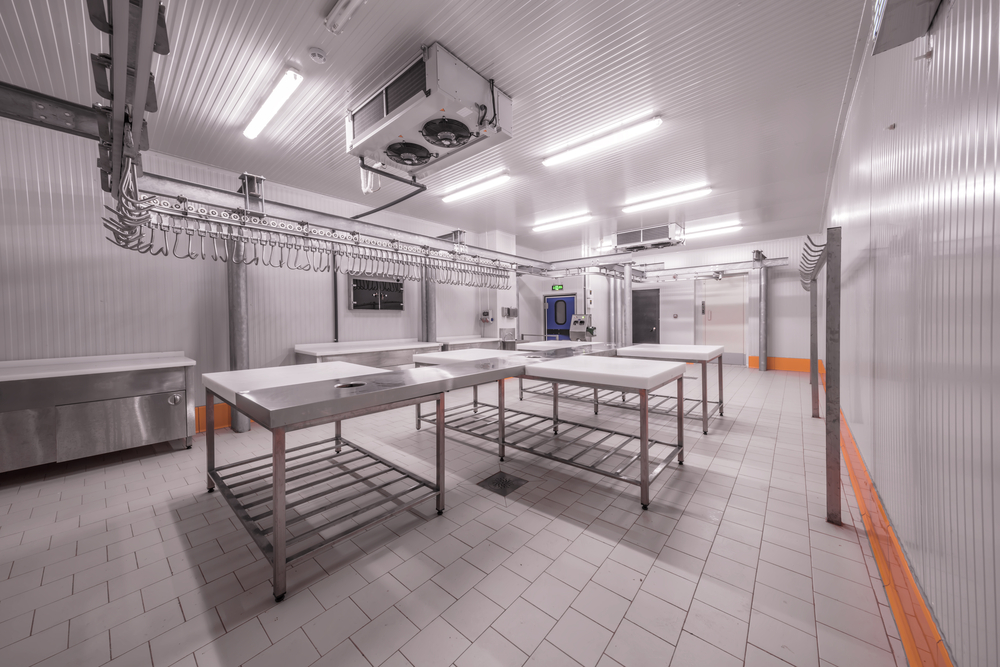
When a walk-in freezer starts running around the clock without cycling off, it is not something building managers or maintenance directors can afford to ignore. Commercial refrigeration systems are engineered to maintain precise temperatures while cycling on and off to regulate internal conditions efficiently. If your commercial freezer is running non-stop, it is a signal that something within the system is struggling to keep up. For restaurants, grocery stores, healthcare facilities, and distribution centers, this issue can lead to rising energy costs, premature equipment failure, and potential inventory loss. At Air Climate Control Inc., we regularly diagnose cases where a walk-in freezer running constantly is the first visible symptom of a larger mechanical or environmental issue. Understanding why this happens is essential for protecting your equipment and your bottom line.
Temperature Setpoint and Thermostat Issues
One of the most common reasons a commercial freezer is running non-stop is related to thermostat calibration or temperature setpoint errors. If the thermostat is set too low, the unit will continue running in an effort to reach an unrealistic target temperature. In some cases, building staff may lower the temperature slightly to compensate for perceived performance issues, not realizing that this adjustment can create continuous compressor operation.
Faulty temperature sensors can also misread internal conditions. When sensors provide inaccurate readings, the control system may believe the freezer has not yet reached the desired temperature, even when it has. As a result, the system continues operating without cycling off.
For maintenance directors overseeing multiple refrigeration systems, it is important to verify that thermostats are properly calibrated and that sensors are functioning accurately. A small discrepancy in readings can significantly affect runtime. Addressing control issues early prevents unnecessary wear on compressors and electrical components.
Door Seals, Air Leaks, and Infiltration Problems
Air infiltration is another leading cause of a walk-in freezer running constantly. Every time the door opens, warm, humid air enters the space. That is expected. However, if door gaskets are worn, cracked, or misaligned, outside air may be entering continuously even when the door is closed.
When warm air infiltrates the freezer, the system must work harder to maintain internal temperature. The compressor runs longer cycles or may not shut off at all. Over time, this strain can shorten equipment lifespan and increase energy consumption significantly.
In high-traffic commercial environments such as restaurants and food service facilities, doors are opened frequently throughout the day. If strip curtains are damaged or missing, the volume of air exchange increases even further. Building managers should routinely inspect door seals, hinges, and alignment to ensure airtight closure.
Even minor gaps around door frames can trigger a commercial freezer running non-stop scenario. Addressing infiltration issues is often one of the simplest yet most effective solutions.
Dirty Condenser Coils and Restricted Airflow
Condenser coils play a critical role in releasing heat from the refrigeration system. When coils become dirty or clogged with dust, grease, or debris, the system cannot dissipate heat efficiently. As a result, the compressor must run longer to achieve the same cooling effect.
In commercial kitchens, airborne grease can accumulate quickly on condenser coils. In warehouses or grocery stores, dust buildup may occur over time. Restricted airflow prevents the system from rejecting heat effectively, causing a walk-in freezer running constantly to maintain temperature.
In addition to dirty coils, blocked airflow around the condenser unit itself can contribute to the problem. Equipment stored too close to the unit or inadequate ventilation in mechanical rooms can trap heat, forcing the system to work harder.
Routine coil cleaning and ensuring adequate clearance around refrigeration equipment are essential preventative maintenance practices. Neglecting these areas can lead to escalating energy bills and compressor damage.
Refrigerant Leaks and Low Charge Levels
Refrigerant is the lifeblood of any commercial refrigeration system. When refrigerant levels drop due to leaks or improper charging, the system loses its ability to absorb and transfer heat efficiently. In response, the compressor runs continuously in an attempt to compensate for reduced cooling capacity.
A commercial freezer running non-stop due to low refrigerant may also exhibit additional symptoms such as longer pull-down times, uneven cooling, or frost buildup on evaporator coils. Ignoring these signs can result in severe compressor damage and costly repairs.
Refrigerant issues require professional diagnosis. Attempting to recharge a system without identifying the source of a leak will only provide temporary relief. Building managers should prioritize prompt service when continuous operation is accompanied by temperature instability or unusual system noises.
Early detection and repair of refrigerant leaks not only restore efficiency but also protect the environment and ensure regulatory compliance.
Evaporator Coil Frost and Defrost System Failures
Defrost systems are designed to prevent excessive frost accumulation on evaporator coils. When these systems malfunction, frost builds up and restricts airflow across the coils. Reduced airflow limits heat exchange, forcing the compressor to operate longer to maintain target temperatures.
Walk-in freezer running constantly issues often trace back to failed defrost heaters, faulty timers, or malfunctioning sensors. If frost accumulates heavily on coils, the system may struggle to reach temperature setpoints, triggering continuous operation.
In some cases, clogged drain lines compound the issue. When defrost water cannot exit properly, it refreezes and contributes to ice buildup. This further reduces efficiency and increases strain on system components.
Maintenance directors should ensure that defrost cycles are operating as intended and that drainage systems remain clear. Periodic inspection of evaporator coils for excessive frost can prevent prolonged runtime and energy waste.
System Sizing and Load Changes
Not all continuous operation issues stem from mechanical failure. In some cases, the freezer may be undersized for its current load. If inventory levels have increased significantly or if the unit is storing warmer product than originally intended, the system may struggle to keep up.
Similarly, changes in building layout or surrounding equipment can impact performance. If additional heat-generating equipment has been installed nearby, ambient temperatures around the freezer may rise, increasing cooling demand.
For commercial tenants expanding operations, it is important to evaluate whether the existing refrigeration system can handle increased demand. A walk-in freezer running constantly may indicate that load requirements have exceeded system capacity.
Conducting a professional load analysis ensures that equipment sizing aligns with operational needs. In some cases, system upgrades or modifications may be necessary to restore balanced cycling.
The Cost of Ignoring Continuous Operation
When a commercial freezer is running non-stop, energy consumption rises sharply. Compressors and fans operate continuously, driving up utility costs. More importantly, continuous operation accelerates wear and tear on critical components.
Compressor failure is one of the most expensive refrigeration repairs a facility can face. Prolonged runtime increases internal temperatures and mechanical stress, shortening the lifespan of the unit. Electrical components such as contactors and relays also experience additional strain.
Beyond equipment damage, operational reliability is at risk. If the system ultimately fails, product loss can occur rapidly, especially in facilities storing high-value inventory. For healthcare or food service environments, temperature excursions may also create compliance concerns.
Addressing the root cause of continuous operation protects both assets and operational continuity.
When to Call for Professional Service
If you notice that your walk-in freezer is running constantly without cycling off, it is important to act quickly. While minor issues such as thermostat adjustments may be resolved internally, many causes require professional diagnosis.
Air Climate Control Inc. works with building managers, maintenance directors, and commercial tenants to identify why a commercial freezer is running non-stop and implement targeted solutions. Whether the issue involves airflow restrictions, refrigerant loss, defrost system malfunction, or system sizing, prompt intervention prevents further damage.
Commercial refrigeration systems are designed for efficiency and reliability. When they operate continuously, they are signaling that something is wrong. Investigating early reduces repair costs, extends equipment lifespan, and ensures your business remains fully operational.
Understanding the reasons behind a walk-in freezer running constantly empowers you to make informed maintenance decisions. With proactive service and expert support, your refrigeration system can return to efficient cycling, controlled energy usage, and dependable performance.