
If you own or manage a small commercial property in St. Louis Park, choosing the right cooling system can affect energy costs, tenant comfort, maintenance needs, and long-term operating expenses. Whether you’re replacing an aging system or planning a renovation, understanding the differences between rooftop units and split systems can help you make a more informed investment.
Quick Answer
For many small commercial properties, the better choice depends on the building’s layout, available space, and cooling demands. Rooftop units are often ideal for retail stores, restaurants, and office buildings that need an all-in-one solution with minimal indoor equipment. Split cooling systems are typically a better fit for smaller offices, professional suites, and buildings that benefit from quieter operation and flexible zoning. Neither option is universally better. The right system is the one that matches your property’s needs.
What Local Business Owners Should Know
-
Commercial buildings throughout St. Louis Park vary widely in age, making HVAC replacement options different from one property to the next.
-
Minnesota’s hot summers and cold winters mean your HVAC equipment must perform reliably through large seasonal temperature swings.
-
Buildings near Excelsior Boulevard, Highway 100, and Interstate 394 often have different rooftop access and equipment considerations than standalone commercial properties.
-
Utility costs can vary depending on system efficiency, making proper equipment sizing especially important.
-
Professional load calculations are essential before replacing any commercial cooling system.
Why This Matters Locally
Choosing between a rooftop unit and a split cooling system isn’t simply about installation costs. Commercial properties throughout St. Louis Park range from older strip malls and medical offices to modern retail spaces and professional buildings. Each has unique cooling requirements, ceiling configurations, and available mechanical space.
Businesses serving customers throughout the Twin Cities also cannot afford unexpected cooling failures during the hottest weeks of summer. Reliable cooling helps protect employees, customers, equipment, and inventory while maintaining a comfortable indoor environment.
At Air Climate Control Inc, we help local business owners evaluate commercial HVAC options based on their property’s layout, operational needs, and long-term goals. From that point forward, we focus on recommending practical solutions instead of one-size-fits-all equipment.
Local Field Observations
Based on our experience serving commercial properties around St. Louis Park, many replacement projects involve buildings constructed decades ago. Older commercial spaces often have existing rooftop equipment that is reaching the end of its service life, while newer office developments may already use split systems with multiple indoor zones.
Properties near Minneapolis, Golden Valley, Hopkins, and Edina also present varying building designs that influence which cooling system makes the most sense.
Rooftop Units: Advantages and Considerations
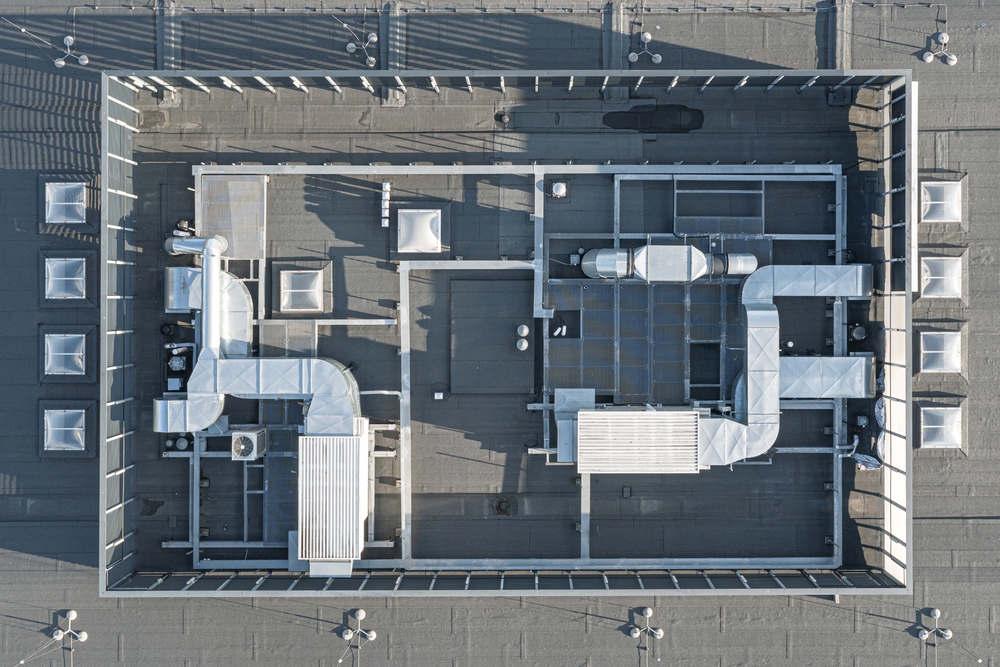
Rooftop units work well for many small commercial properties because they combine heating and cooling into one packaged system located outside the building.
Benefits
-
Saves valuable indoor floor space
-
Keeps mechanical equipment out of customer areas
-
Simplifies duct distribution in many commercial buildings
-
Allows technicians to perform much of the maintenance without entering occupied spaces
-
Often serves open floor plans efficiently
Potential Drawbacks
-
Roof access is required for installation and maintenance.
-
Roof structure must support the equipment.
-
Repairs may become more challenging during severe winter weather.
-
Large single-zone systems may not provide ideal comfort for buildings with multiple occupancy areas.
Split Cooling Systems: Advantages and Considerations
Split cooling systems provide greater flexibility by separating the indoor and outdoor equipment, making them an excellent choice for many smaller commercial spaces.
Benefits
-
Quieter indoor operation
-
Better zoning capabilities
-
Easier temperature control for separate offices
-
Flexible installation options
-
Often easier to expand during future renovations
Potential Drawbacks
-
Indoor equipment requires mechanical space.
-
Multiple indoor units increase maintenance points.
-
Installation can be more complex in existing buildings.
-
Larger commercial spaces may require several systems.
Local Impact on Commercial Properties
Commercial buildings throughout Hennepin County experience significant seasonal weather changes. Summers regularly bring high temperatures and humidity, while winters demand dependable heating performance.
Because many packaged rooftop units include both heating and cooling components, they offer year-round climate control in one system. Split systems may require separate heating equipment depending on the building’s design.
Businesses that experience varying occupancy throughout the day may also benefit from zoning capabilities that help reduce unnecessary energy use.
Warning Signs Your Current Cooling System May Need Replacement
-
Your system struggles to maintain comfortable indoor temperatures.
-
Utility bills continue increasing without a clear explanation.
-
Frequent repair calls are becoming more common.
-
Cooling performance varies significantly between rooms.
-
Equipment is approaching or exceeding its expected service life.
-
Employees or customers regularly complain about comfort.
-
The system cycles on and off more frequently than it should.
When to Call a Commercial HVAC Professional
A professional evaluation is recommended whenever your commercial cooling system no longer provides reliable performance or major replacement decisions are being considered.
Business owners can monitor basic performance, replace filters when appropriate, and observe unusual noises or temperature changes. However, equipment sizing, airflow design, refrigerant evaluation, and replacement recommendations require professional inspection.
Proper system selection helps avoid oversized or undersized equipment that can reduce efficiency and comfort.
Common Local Factors That Influence System Selection
1. Building Layout
Open retail spaces often benefit from rooftop units, while office suites with multiple rooms frequently perform better with split systems.
2. Available Mechanical Space
Some commercial buildings have limited indoor equipment space, making rooftop installations more practical.
3. Future Expansion Plans
Businesses planning renovations may appreciate the flexibility offered by split systems.
4. Maintenance Accessibility
Roof access, equipment location, and building occupancy all affect ongoing service requirements.
5. Energy Efficiency Goals
Modern high-efficiency systems are available in both rooftop and split configurations. The best choice depends on proper equipment selection and installation.
Prevention and Maintenance Tips
Regular commercial HVAC maintenance helps either system perform more efficiently.
Best practices include:
-
Replace filters on schedule.
-
Keep outdoor equipment free from debris.
-
Schedule preventive maintenance before summer begins.
-
Inspect rooftop equipment after severe weather.
-
Monitor thermostat performance.
-
Address small issues before they become major repairs.
What Results Can You Expect?
Properly selected commercial HVAC equipment can provide:
-
More consistent indoor comfort
-
Improved energy efficiency
-
Better temperature control
-
Reduced likelihood of unexpected breakdowns
-
Longer equipment life through routine maintenance
Actual performance depends on equipment selection, installation quality, maintenance, and building conditions.
Common Mistakes
Mistake: Choosing equipment based only on installation price.
Consequence: Lower upfront costs may result in higher operating expenses or poor comfort.
Better Approach: Consider total ownership costs, efficiency, maintenance, and building requirements.
Mistake: Replacing equipment with the same size without evaluation.
Consequence: The original system may have been incorrectly sized.
Better Approach: Have a professional perform updated load calculations.
Mistake: Delaying replacement after repeated repairs.
Consequence: Unexpected downtime can interrupt business operations during peak cooling season.
Better Approach: Evaluate replacement before emergency failure occurs.
Common Local Scenario
A small office building in St. Louis Park begins experiencing uneven cooling during the summer. Some offices remain comfortable while others become noticeably warmer throughout the afternoon. After evaluating the building’s layout, occupancy, and existing ductwork, the owner compares replacing the aging rooftop unit with installing multiple split system zones. The final decision depends on budget, future renovation plans, and long-term operating priorities rather than simply replacing the existing equipment.
Related Commercial HVAC Services
Businesses considering rooftop or split systems often benefit from:
-
Commercial HVAC inspections
-
Cooling system replacement
-
Preventive maintenance programs
-
Energy efficiency evaluations
-
Commercial air conditioning repairs
-
Equipment performance assessments
Comparing Your Options
| Feature | Rooftop Unit | Split Cooling System |
|---|---|---|
| Equipment Location | Entire system on roof | Indoor and outdoor components |
| Indoor Space Required | Minimal | Moderate |
| Zoning Capability | Limited depending on design | Excellent |
| Maintenance Access | Roof required | Indoor and outdoor access |
| Best For | Retail, restaurants, open spaces | Offices, suites, smaller buildings |
| Expansion Flexibility | Moderate | High |
Service Areas
We proudly serve businesses throughout St. Louis Park as well as nearby communities including Minneapolis, Golden Valley, Hopkins, Edina, and other surrounding areas in Hennepin County. Our team understands the unique cooling needs of local commercial properties throughout the west metro.
The Cost of Waiting
Postponing a cooling system evaluation can lead to higher repair costs, increased energy consumption, reduced occupant comfort, and unexpected business interruptions during Minnesota’s hottest weather. Planning ahead gives business owners more time to compare options and schedule installation before peak demand.
Frequently Asked Questions
Is a rooftop unit better for small businesses in St. Louis Park?
For many retail and commercial buildings in St. Louis Park, rooftop units provide an efficient all-in-one solution. The best choice still depends on your building’s design, occupancy, and long-term operational needs.
Are split systems more energy efficient?
Modern split systems can be highly efficient when properly designed and installed. Actual efficiency depends more on proper sizing, maintenance, and equipment selection than on system type alone.
Which system lasts longer in Minnesota?
Both rooftop units and split systems can provide many years of dependable service with regular maintenance. Minnesota’s seasonal weather makes preventive maintenance especially important.
Which option costs less to maintain?
Maintenance costs vary depending on equipment complexity, accessibility, and operating conditions. Routine maintenance generally helps reduce unexpected repair expenses for either system.
Can older commercial buildings in St. Louis Park switch from rooftop units to split systems?
Yes. Many older commercial properties can be converted, although the feasibility depends on available indoor space, electrical capacity, and ductwork configuration.
Should I replace my commercial HVAC before it completely fails?
Yes. Planning replacement before total failure allows more time to evaluate options, schedule installation, and avoid emergency disruptions during busy seasons.
Do commercial HVAC systems require regular maintenance in Hennepin County?
Yes. Seasonal inspections help prepare commercial systems for Minnesota’s demanding summer and winter weather while improving reliability and efficiency.
How do I know which system is right for my building?
The best way is to schedule a professional commercial HVAC evaluation. Building size, occupancy, ductwork, budget, and future plans all influence the ideal recommendation.
Keep Your Business Comfortable Year-Round
Choosing between a rooftop unit and a split cooling system is an important investment for your commercial property. A professional evaluation helps ensure your new equipment matches your building, your budget, and your long-term operating goals.
Need Help Choosing the Right Commercial Cooling System?
Whether you’re upgrading an aging rooftop unit or exploring split system options for your St. Louis Park commercial property, we’re here to help you make an informed decision with practical recommendations tailored to your building.