
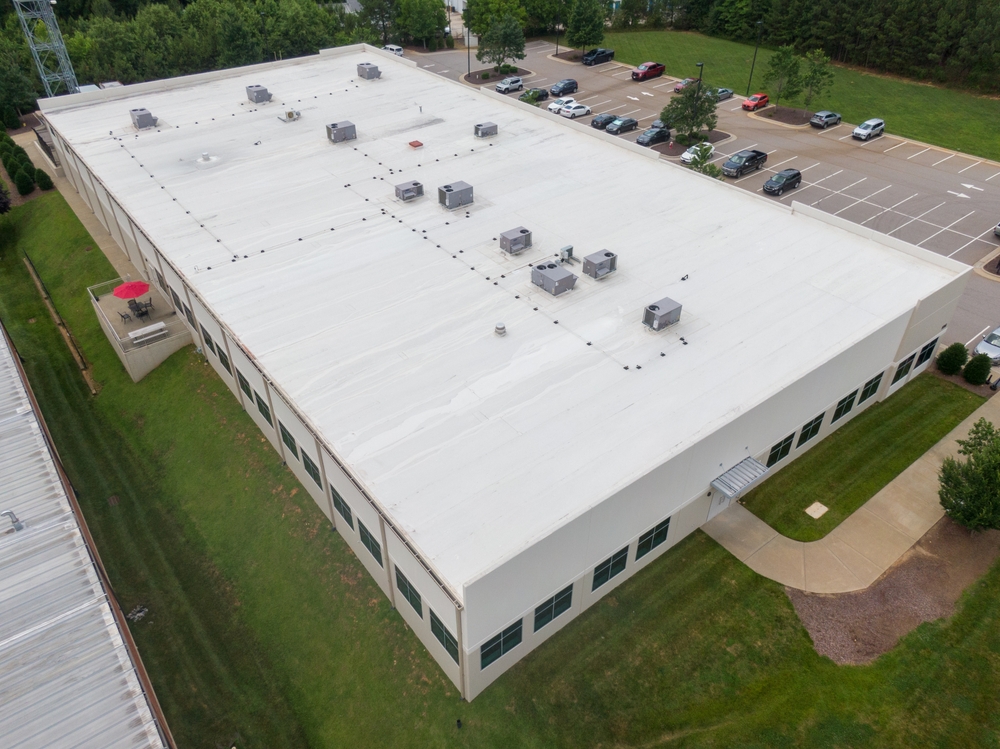
Spring offers an unmatched opportunity to evaluate your commercial HVAC system under optimal conditions. As temperatures begin to rise after the colder winter months, your heating and cooling systems are naturally transitioning from heating mode to cooling mode. This change allows HVAC professionals to conduct comprehensive assessments of both the heating and air conditioning components in one visit, something that is harder to do effectively during the extremes of summer or winter.
When HVAC systems are tested in spring, technicians can detect issues that may not be visible when the unit is in constant use. For example, during winter, your cooling system may be idle, making it difficult to identify potential faults. Likewise, in summer, your heating system may not be operational. Spring offers a natural balance that helps uncover hidden problems before they escalate, allowing for more accurate diagnostics and more reliable performance throughout the year.
In addition, moderate spring temperatures reduce the risk of disrupting indoor comfort during inspections or repairs. Employees and customers are less likely to be impacted if the system needs to be temporarily turned off for service. This creates a stress-free environment for maintenance work, minimizing workplace complaints and preserving business continuity.
Prevention of Summer Breakdowns
Perhaps the most compelling reason to schedule a commercial HVAC inspection in spring is to prevent system failures during the intense heat of summer. HVAC units are pushed to their limits during peak summer months, and systems that have not been adequately inspected and maintained are far more likely to break down when you need them most. These unexpected failures can result in expensive emergency repairs, reduced productivity, and uncomfortable working conditions that could deter customers and frustrate employees.
By conducting an inspection during spring, businesses can address small concerns before they turn into major malfunctions. Issues such as dirty coils, clogged filters, refrigerant leaks, or worn-out belts can be identified early and resolved without pressure or urgency. This proactive approach helps ensure your commercial HVAC system is in peak condition and fully prepared for the increased demand of summer operation.
The benefits of spring HVAC inspections also extend to cost savings. Preventative maintenance is generally more affordable than emergency repair services, and it can dramatically extend the life of your HVAC equipment. Avoiding costly downtime and repair bills through timely inspections can have a significant impact on your bottom line.
Energy Efficiency and Cost Savings
One of the major benefits of spring HVAC inspections is the opportunity to improve energy efficiency. Over time, HVAC systems accumulate dust, experience wear and tear, and lose efficiency. When systems are not running efficiently, they consume more energy to maintain desired temperature levels. This leads to increased utility bills and a higher carbon footprint for your commercial property.
A spring inspection allows technicians to clean components, lubricate moving parts, calibrate thermostats, and test airflow. These adjustments can dramatically improve the efficiency of your HVAC system. For example, cleaning condenser coils alone can increase energy efficiency by up to 30 percent. In addition, identifying duct leaks or improper insulation can prevent the loss of cooled or heated air, ensuring that every dollar spent on energy translates into actual indoor comfort.
More efficient systems also reduce the strain on mechanical parts, meaning fewer breakdowns and a longer system lifespan. When your commercial HVAC system operates smoothly, you can allocate resources more confidently toward growth and customer service instead of unexpected maintenance.
Compliance and Safety Assurance
Many businesses are subject to health and safety regulations that require regular inspection and maintenance of HVAC systems. These regulations vary by industry and location but typically aim to ensure that air quality, temperature control, and ventilation systems do not pose any risk to employees or customers. A spring commercial HVAC inspection is an excellent way to stay compliant and avoid potential fines or legal complications.
During a spring inspection, certified technicians can verify that your system meets all relevant building codes and environmental standards. They can check for signs of carbon monoxide leaks, mold growth, and inadequate air filtration, all of which can pose serious health hazards if left unaddressed. Clean and well-maintained HVAC systems help maintain a healthier indoor environment, reducing the risk of respiratory issues, allergic reactions, or discomfort caused by poor air circulation.
In addition to legal compliance, safety-focused inspections contribute to peace of mind for building managers and business owners. You can be confident that your HVAC system will not cause health problems, fire hazards, or other risks that could disrupt your business operations. This level of assurance is especially valuable in industries like healthcare, hospitality, and food service, where environmental conditions must meet strict standards.
Scheduling Flexibility and Contractor Availability
Spring is a transitional season for HVAC professionals, making it the best time to book an inspection with minimal hassle. Because most people wait until summer to request cooling system repairs or upgrades, HVAC contractors tend to have lighter schedules in the spring. This translates into faster response times, more flexible appointment windows, and potentially even lower service rates.
With more time available, technicians can focus on detailed inspections rather than quick fixes. They are also more likely to spot future problems and offer recommendations for system upgrades, energy-saving solutions, or airflow optimization. This thoughtful approach is often not possible during peak service times, when technicians are overwhelmed with emergency calls and tight deadlines.
By booking your commercial HVAC inspection in spring, you gain access to the most experienced technicians during their most flexible season. This timing allows for well-planned maintenance work that suits your business schedule and avoids any disruption to daily operations. It also gives you plenty of time to schedule follow-up services or improvements before hot weather sets in.
Conclusion
Spring is undeniably the most advantageous season for scheduling a commercial HVAC inspection. The moderate weather allows for a full system assessment without disrupting comfort, while also providing a clear view of how your system transitions between heating and cooling. The benefits of spring HVAC inspections are far-reaching: they help prevent costly summer breakdowns, improve energy efficiency, support compliance with health and safety standards, and offer easier scheduling with professional technicians.
Investing in a commercial HVAC inspection during the spring sets your business up for success by ensuring that your building stays comfortable, your employees stay productive, and your customers feel welcomed. It also strengthens the long-term reliability and efficiency of your HVAC equipment, translating into tangible savings and peace of mind. If you want your business to run smoothly throughout the year, spring is the smart time to act.
Need a HVAC Contractor in Minneapolis, MN?
Locally owned and operated since 1991, Air Climate Control Inc specializes in commercial service and repair of air conditioning, heating, and refrigeration, serving Minneapolis and the surrounding areas with quality, prompt, and reliable work. Air Climate Control Inc strives to provide same-day service to ensure client comfort and satisfaction. We specialize in preventative maintenance plans as well as repair and can sub-contract for installation service. Our estimates are always FREE of charge. Call us TODAY for all of your commercial refrigeration, air conditioning, and heating needs!