
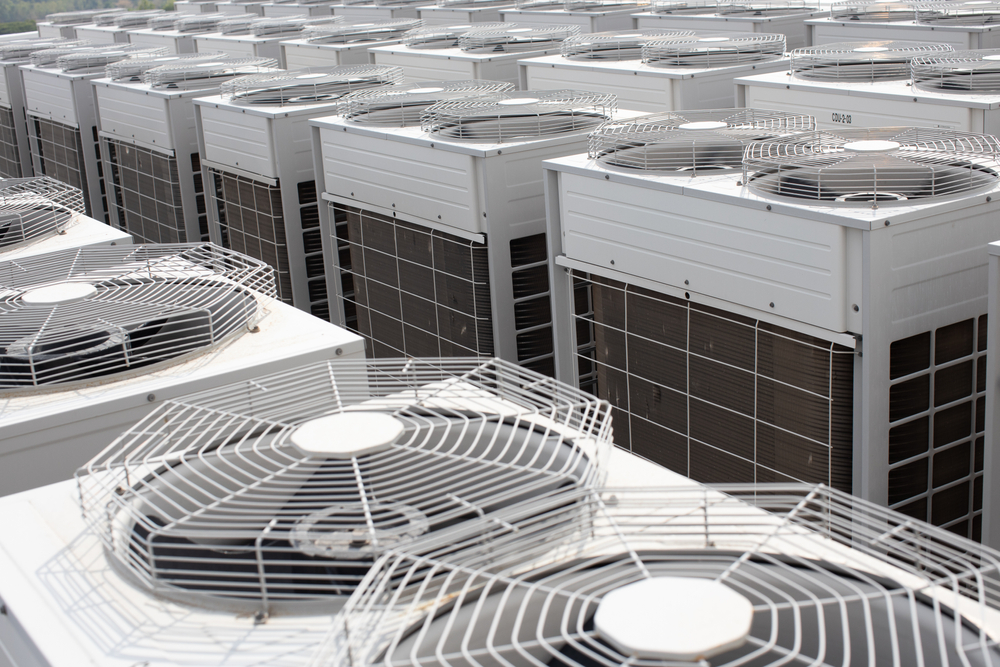
Commercial buildings across St. Louis Park, Minneapolis, and the surrounding Twin Cities metro depend on rooftop HVAC systems to keep employees, customers, and equipment comfortable throughout Minnesota’s changing seasons. From freezing winters to humid summers, rooftop units work hard year-round, making routine maintenance and timely repairs essential for reliable performance.
Quick Answer
The most common commercial rooftop HVAC problems include dirty coils, clogged filters, refrigerant leaks, electrical failures, thermostat issues, drainage problems, and worn components caused by constant exposure to Minnesota weather. Regular inspections, preventative maintenance, and prompt rooftop unit repair help reduce unexpected breakdowns, improve energy efficiency, and extend equipment life.
What Local Business Owners Should Know
- Commercial rooftop HVAC systems in Minnesota experience year-round stress from snow, ice, summer heat, and seasonal temperature swings.
- Preventative maintenance helps identify small problems before they lead to costly emergency repairs or business interruptions.
- Businesses throughout St. Louis Park, Minneapolis, Edina, Golden Valley, and Hopkins often rely on rooftop units because they save valuable indoor space.
- Regular filter changes, coil cleaning, and professional inspections can improve efficiency while reducing operating costs.
- Same-day service can minimize downtime when a rooftop unit unexpectedly fails during peak business hours.
Why This Matters Locally
Commercial properties across St. Louis Park and the greater Minneapolis area experience some of the Midwest’s most demanding weather conditions. Long heating seasons, humid summers, spring storms, and winter snow all place additional strain on rooftop HVAC equipment.
Office buildings, retail centers, warehouses, restaurants, medical facilities, and industrial properties depend on reliable heating and cooling to maintain productivity, protect inventory, and keep customers comfortable. Delaying repairs can quickly affect indoor comfort, employee performance, and operating expenses.
Since 1991, Air Climate Control Inc has specialized in commercial air conditioning, heating, and refrigeration service throughout the Minneapolis area. We focus on prompt commercial repairs, preventative maintenance, and dependable service that helps businesses keep operating without unnecessary interruptions.
Local Field Observations
Based on our experience servicing commercial rooftop equipment throughout the Twin Cities, several issues appear consistently throughout the year.
Winter often reveals cracked heat exchangers, frozen drain lines, and ignition failures caused by prolonged cold temperatures.
During summer, dirty condenser coils, failing condenser fans, and refrigerant issues become more common as systems operate continuously to maintain indoor comfort.
Spring and fall maintenance visits frequently uncover worn belts, clogged filters, electrical component wear, and drainage problems before they become emergency service calls.
Common Commercial Rooftop HVAC Problems
Commercial rooftop HVAC systems most commonly experience airflow restrictions, refrigerant problems, electrical failures, and weather-related wear.
Dirty Air Filters
Clogged filters reduce airflow throughout the building and force rooftop units to work harder. This increases energy consumption while placing unnecessary strain on blower motors and compressors.
Dirty Condenser and Evaporator Coils
Outdoor coils collect dust, pollen, leaves, and debris throughout the year. Dirty coils reduce heat transfer, making cooling systems less efficient and increasing utility costs.
Refrigerant Leaks
Low refrigerant levels prevent rooftop units from cooling properly. Small leaks often develop gradually and can eventually damage compressors if left unrepaired.
Electrical Component Failures
Contactors, relays, capacitors, wiring connections, and control boards naturally wear over time. Minnesota’s seasonal temperature swings can accelerate electrical component deterioration.
Thermostat or Control Problems
Commercial thermostats and building control systems occasionally malfunction due to calibration issues, communication failures, or aging components.
Drainage Issues
Blocked condensate drains can cause water leaks inside commercial buildings, potentially damaging ceilings, insulation, or interior finishes.
Fan Motor Problems
Supply fans, condenser fans, and exhaust motors operate continuously during peak seasons. Bearings, belts, and motors eventually wear and require replacement.
Local Impact on Commercial Buildings
Commercial rooftop HVAC failures affect much more than indoor comfort.
Restaurants can struggle to maintain safe kitchen temperatures.
Retail businesses may experience uncomfortable shopping conditions that discourage customers.
Office employees become less productive when temperatures fluctuate significantly.
Warehouses storing temperature-sensitive products may face inventory concerns.
Medical facilities, schools, and manufacturing operations also depend on dependable HVAC performance to support daily operations.
Unexpected equipment failure often creates higher repair costs than identifying problems during scheduled maintenance.
Warning Signs Your Rooftop Unit Needs Repair
Commercial rooftop HVAC systems often show warning signs before complete failure.
- Uneven temperatures throughout the building
- Higher-than-normal utility bills
- Unusual noises from rooftop equipment
- Weak airflow from supply vents
- Frequent cycling on and off
- Water leaks around rooftop units or ceilings
- Poor humidity control
- Difficulty maintaining thermostat settings
Ignoring these symptoms can allow relatively small problems to become expensive repairs.
When to Call a Professional
Commercial rooftop HVAC issues involving electrical components, refrigerant, gas heating systems, or rooftop access require professional service.
Building managers can safely monitor thermostat settings, replace approved filters if appropriate, and visually inspect rooftop units from a safe location. However, refrigerant handling, electrical diagnostics, combustion testing, and internal equipment repairs should always be performed by trained commercial HVAC technicians.
Prompt service often prevents additional component damage while reducing business downtime.
Common Local Causes
Commercial rooftop HVAC problems in the Minneapolis area are commonly caused by local weather conditions, operating demands, and deferred maintenance.
Minnesota Weather
Snow accumulation, ice, freezing temperatures, and seasonal storms expose rooftop equipment to continual environmental stress.
Heavy Equipment Usage
Many commercial buildings operate HVAC systems for extended hours every day, increasing wear on motors, compressors, and electrical components.
Airborne Debris
Cottonwood, leaves, dust, and construction debris frequently accumulate on rooftop equipment throughout the Twin Cities.
Aging Equipment
Many commercial buildings have rooftop units that have operated for years. As equipment ages, normal wear gradually affects reliability and efficiency.
Prevention and Maintenance
Preventative maintenance is the most effective way to reduce unexpected rooftop unit failures.
Recommended maintenance includes:
- Replace air filters on an appropriate schedule.
- Clean condenser and evaporator coils.
- Inspect electrical connections.
- Check refrigerant levels.
- Test safety controls.
- Lubricate moving components where applicable.
- Inspect belts and motors.
- Verify thermostat operation.
- Clear condensate drains.
- Perform seasonal heating and cooling inspections.
Many Minnesota businesses schedule maintenance before summer cooling season and again before winter heating season.
Expected Results
Routine commercial rooftop HVAC maintenance helps businesses improve equipment reliability, maintain indoor comfort, reduce energy consumption, and extend equipment life.
While maintenance cannot eliminate every repair, it often identifies developing issues before they become major failures that interrupt business operations.
Common Mistakes
Waiting until equipment stops working
Consequence: Emergency repairs often cost more and create unnecessary downtime.
Better approach: Schedule regular preventative maintenance.
Ignoring unusual noises
Consequence: Small mechanical problems may become compressor or motor failures.
Better approach: Have unusual sounds inspected promptly.
Skipping filter changes
Consequence: Restricted airflow reduces efficiency and increases wear.
Better approach: Follow a consistent filter replacement schedule.
Postponing refrigerant repairs
Consequence: Low refrigerant can damage compressors.
Better approach: Address refrigerant issues as soon as they are detected.
Common Local Scenario
A commercial office building in the Twin Cities notices uneven temperatures as summer arrives. Employees report warm conference rooms while utility bills continue climbing. During a preventative maintenance visit, technicians discover heavily clogged condenser coils, worn fan belts, and restricted airflow. After cleaning the coils, replacing worn components, and completing system adjustments, the rooftop unit returns to normal operation before a major breakdown occurs.
Related Service Solutions
Several commercial HVAC services help prevent rooftop equipment problems.
- Commercial rooftop HVAC inspections
- Preventative maintenance programs
- Rooftop unit repair
- Commercial air conditioning repair
- Commercial heating repair
- Commercial refrigeration service
- Seasonal equipment inspections
- Emergency commercial HVAC repairs
Comparing Your Options
| Option | Benefits | Best For |
|---|---|---|
| Preventative Maintenance | Reduces breakdowns and improves efficiency | Businesses seeking long-term reliability |
| Rooftop Unit Repair | Restores existing equipment | Units with isolated component failures |
| Emergency Service | Addresses immediate failures | Unexpected breakdowns affecting operations |
| Equipment Replacement | Improves efficiency and reliability | Older systems with recurring major repairs |
Service Areas
We proudly serve commercial customers throughout St. Louis Park, Minneapolis, Edina, Hopkins, Golden Valley, Minnetonka, Bloomington, and surrounding communities across the Twin Cities metro.
Our commercial HVAC, heating, air conditioning, and refrigeration services are designed to help local businesses minimize downtime and maintain comfortable working environments.
Cost of Ignoring the Issue
Delaying commercial rooftop HVAC repairs can increase energy costs, shorten equipment life, create uncomfortable indoor conditions, and lead to larger repair expenses. Minor issues that could have been corrected during routine maintenance often become more costly after continued operation.
Frequently Asked Questions
What are the most common commercial rooftop HVAC problems?
The most common problems include dirty filters, clogged coils, refrigerant leaks, electrical failures, drainage issues, thermostat malfunctions, and worn mechanical components. Regular inspections help identify these issues before they interrupt business operations.
How often should commercial rooftop HVAC systems be serviced in St. Louis Park?
Most commercial rooftop HVAC systems benefit from professional maintenance at least twice each year, typically before cooling season and before heating season. Buildings with extended operating hours may require more frequent inspections.
What causes rooftop HVAC units to fail during Minnesota winters?
Freezing temperatures, snow accumulation, ice, aging components, and heavy heating demands can contribute to winter equipment failures. Seasonal maintenance helps prepare rooftop systems for cold weather.
Is rooftop unit repair usually better than replacement?
The best option depends on equipment age, repair history, operating condition, and overall costs. Many component failures can be repaired successfully, while older systems with repeated breakdowns may warrant replacement evaluation.
Can preventative maintenance reduce emergency repairs?
Yes. Preventative maintenance helps identify worn components, airflow restrictions, refrigerant issues, and electrical concerns before they develop into unexpected failures.
Why is commercial rooftop HVAC maintenance important for Minneapolis businesses?
Commercial buildings throughout Minneapolis experience significant seasonal temperature changes. Routine maintenance helps equipment operate more efficiently while reducing the likelihood of unexpected downtime during periods of peak demand.
Does weather affect rooftop HVAC equipment?
Yes. Constant exposure to sun, rain, snow, ice, wind, and temperature fluctuations gradually wears rooftop equipment. Regular inspections help address weather-related wear before it affects system performance.
What commercial systems do you service?
We service commercial air conditioning, heating, refrigeration, and rooftop HVAC systems for a variety of commercial facilities throughout St. Louis Park and the surrounding Minneapolis area.
Keep Your Commercial Rooftop HVAC System Running Reliably
Reliable rooftop HVAC equipment helps your business stay comfortable, productive, and efficient throughout every Minnesota season.