
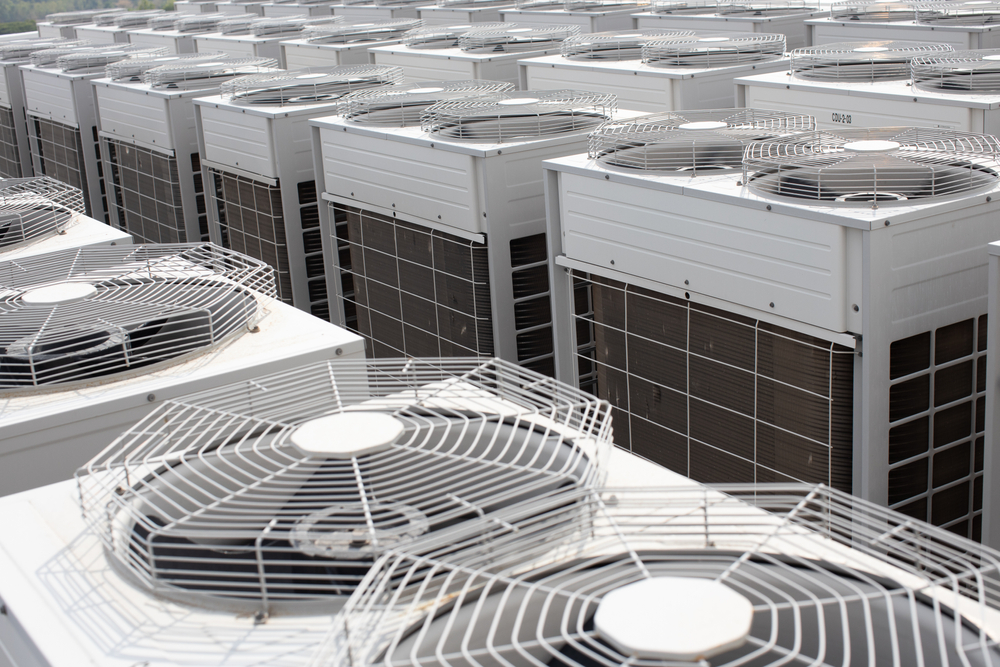
Keeping a commercial building comfortable, safe, and energy-efficient depends heavily on the performance of its ventilation systems. Whether you manage a restaurant, office complex, warehouse, or retail space, your HVAC and ventilation infrastructure works around the clock to maintain air quality and regulate temperature. Over time, however, even the most reliable equipment begins to show its age.
Knowing when to repair versus when to replace can save you significant money, prevent operational disruptions, and protect the health of everyone inside your building.
Recognizing the Warning Signs of a Failing System
The first step in making a smart decision is learning to recognize the early warning signs that your ventilation systems are struggling. One of the most common indicators is inconsistent airflow throughout your building. If certain rooms feel stuffy while others are excessively cold or warm, your system may no longer be distributing air effectively. This inconsistency is often a sign of duct deterioration, failing fans, or a motor that is nearing the end of its service life.
Unusual noises are another red flag. Banging, rattling, squealing, or grinding sounds coming from your ventilation systems typically indicate loose components, worn belts, or debris caught in the fan blades. While some of these issues are minor and easy to fix, recurring noise problems suggest that the system is working harder than it should, which accelerates wear and increases the risk of a complete breakdown.
Rising energy bills without a clear explanation are also worth investigating. When ventilation systems lose efficiency, they consume more power to achieve the same results. If your utility costs have been climbing steadily over the past year and you have not added new equipment or expanded your facility, your ventilation infrastructure could be the culprit. An energy audit can help you confirm whether your system is the source of the problem.
Air quality complaints from employees or customers should never be dismissed. Odors, excess humidity, visible dust accumulation, or increased allergy symptoms among building occupants can all point to a ventilation system that is no longer filtering or circulating air properly. In commercial environments, poor indoor air quality can affect productivity, trigger health issues, and even create liability concerns.
Understanding the True Cost of Repairs
Before committing to a repair, it is important to understand the full scope of what that repair actually costs. On the surface, fixing a single component seems far more affordable than replacing an entire unit. However, when ventilation systems require frequent repairs, those individual costs add up quickly. A general rule of thumb in the industry is that if a repair costs more than 50 percent of the price of a replacement unit, investing in a new system often makes more financial sense.
Consider also the age of your current equipment. Most commercial ventilation systems have a lifespan of 15 to 25 years, depending on the type of system, the quality of installation, and how consistently it has been maintained. If your system is approaching or has surpassed that range, repairs become a short-term fix for a long-term problem. You may restore function temporarily, but the underlying wear on motors, coils, and ductwork will continue to generate new issues.
Downtime is another cost that business owners sometimes overlook. Every hour that your ventilation system is offline can affect employee comfort, customer experience, and in some industries, regulatory compliance. Restaurants, medical facilities, and food processing plants, for example, are often subject to strict air quality and ventilation standards. A system that frequently breaks down can put your business at risk of failing an inspection or violating health codes.
Parts availability is also a practical concern. As ventilation systems age, manufacturers may discontinue specific components, making repairs slower and more expensive. If your HVAC technician is regularly sourcing hard-to-find parts, it is a strong signal that your equipment has outlived its practical service window.
When Replacement Is the Smarter Investment
There are clear situations where replacement is the more intelligent long-term investment. If your ventilation systems are more than 15 years old and have already required multiple significant repairs in the past two to three years, replacement is almost always the better choice. Newer systems are built with advanced technology that dramatically improves energy efficiency, often reducing energy consumption by 20 to 40 percent compared to older models.
Modern ventilation systems also offer features that older units simply cannot match. Variable speed drives, smart thermostats, demand-controlled ventilation, and integrated air quality sensors all contribute to a more responsive and efficient system. These features allow your building to adapt in real time to changing occupancy levels and outdoor conditions, reducing energy waste and improving comfort simultaneously.
If you are planning a building renovation or expansion, that is an ideal time to evaluate your ventilation infrastructure. Upgrading your system during a construction phase minimizes disruption and allows contractors to size the new system appropriately for your updated space. Installing a system that is correctly sized for your current needs ensures optimal performance and prevents the efficiency losses that come from equipment that is either too large or too small for the area it serves.
Environmental and regulatory considerations are increasingly important as well. Many local governments and utility providers offer rebates and incentives for upgrading to energy-efficient ventilation systems. Taking advantage of these programs can offset a significant portion of your upfront costs and reduce your payback period considerably.
The Role of Preventive Maintenance in Extending System Life
Not every issue requires a full replacement, and a well-executed maintenance program can extend the useful life of your ventilation systems significantly. Routine inspections, filter changes, coil cleanings, and belt replacements are all relatively low-cost interventions that prevent small problems from escalating into major failures. A commercial HVAC service provider can put together a maintenance schedule tailored to your system type, building size, and usage patterns.
Keeping detailed service records is also valuable. When you document every repair, inspection, and part replacement, you build a history that helps you and your technician make more informed decisions. If the records show a pattern of recurring failures in the same components, that pattern is a clear indicator that the system is degrading beyond what maintenance can address.
Building automation systems (BAS) are increasingly being used to monitor ventilation systems in real time. Sensors can detect anomalies in airflow, temperature, humidity, and energy use, alerting facility managers before a small problem becomes a costly breakdown. Investing in monitoring technology is especially worthwhile for large commercial facilities where the cost of an unexpected shutdown would be substantial.
Training your in-house facilities team to recognize early warning signs also adds a layer of protection. Employees who work near HVAC equipment daily are often the first to notice changes in sound, airflow, or air quality. Establishing a simple reporting process ensures that those observations make it to the right people before they become serious problems.
Conclusion
Deciding between repairing and replacing your commercial ventilation systems is rarely straightforward, but it becomes much easier when you consider age, repair history, energy performance, and long-term operational goals together. Routine maintenance and timely repairs can keep a functioning system running efficiently for years. However, when a system consistently underperforms, drives up energy costs, or requires repeated expensive fixes, replacement is usually the wiser investment. Working with a qualified commercial HVAC professional will help you evaluate your specific situation and choose the path that best protects your building, your budget, and the people who rely on clean, comfortable air every day.
Need a HVAC Contractor in Minneapolis, MN?
Locally owned and operated since 1991, Air Climate Control Inc specializes in commercial service and repair of air conditioning, heating, and refrigeration, serving Minneapolis and the surrounding areas with quality, prompt, and reliable work. Air Climate Control Inc strives to provide same-day service to ensure client comfort and satisfaction. We specialize in preventative maintenance plans as well as repair and can sub-contract for installation service. Our estimates are always FREE of charge. Call us TODAY for all of your commercial refrigeration, air conditioning, and heating needs!