
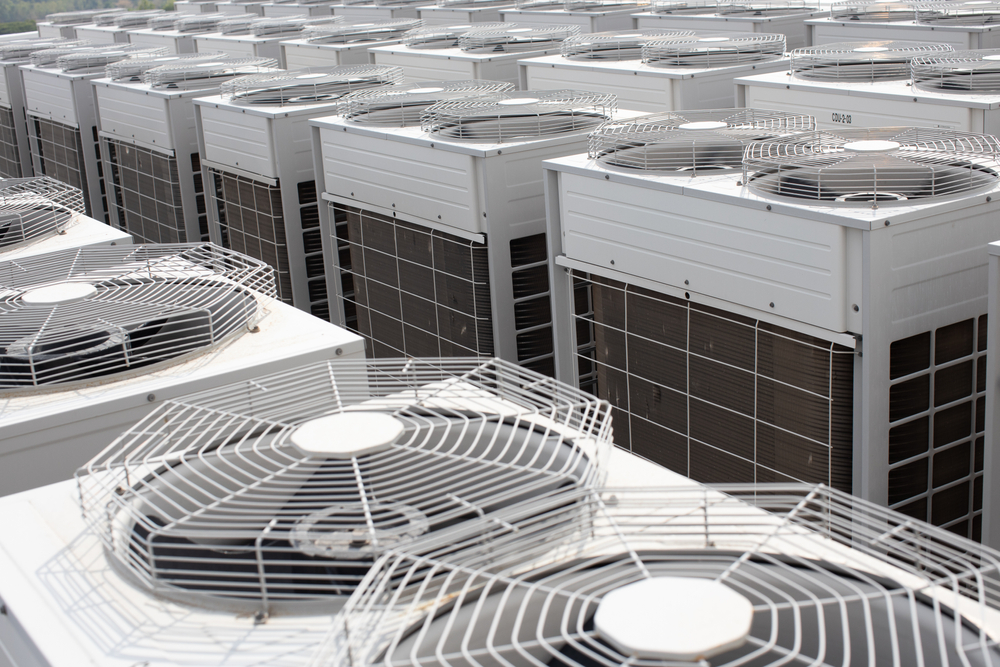
When commercial buildings age, their air conditioning systems often become less efficient, costlier to maintain, and unable to meet modern comfort standards. Retrofitting older commercial AC systems has emerged as a practical solution that balances operational efficiency with financial responsibility. Rather than replacing entire systems, businesses can upgrade older AC systems through strategic retrofitting to extend equipment life, reduce energy consumption, and improve indoor air quality. This comprehensive approach offers numerous advantages for building owners and facility managers seeking to optimize their climate control investments.
Improving Energy Efficiency and Reducing Operating Costs
One of the most compelling reasons to retrofit commercial AC systems is the dramatic improvement in energy efficiency. Older air conditioning units often operate at 60 to 70 percent efficiency, while modern systems can achieve 90 to 95 percent efficiency or better. When you decide to upgrade older AC systems through retrofitting, you can expect energy consumption reductions of 20 to 40 percent, depending on the age and condition of the existing equipment.
These energy savings translate directly into lower utility bills. For a mid-sized commercial building, monthly cooling costs might decrease by hundreds or even thousands of dollars. Over a five-year period, these savings can accumulate to substantial amounts, often covering a significant portion of the retrofitting investment. The financial impact becomes even more attractive when considering that energy prices continue to rise year after year, making efficiency improvements increasingly valuable over time.
Additionally, retrofitting commercial AC systems allows businesses to take advantage of equipment maintenance patterns. Older systems require more frequent repairs and servicing, which can disrupt operations and increase overhead expenses. By upgrading older AC systems, facility managers reduce emergency service calls and extend the time between necessary maintenance appointments. This operational benefit provides both cost savings and improved workplace continuity.
Environmental Benefits and Sustainability Goals
Modern refrigerants used in retrofit commercial AC systems are considerably more environmentally friendly than the chlorofluorocarbons (CFCs) and hydrochlorofluorocarbons (HCFCs) that older systems relied upon. These older refrigerants contributed to ozone layer depletion and have been phased out under international environmental agreements. When you retrofit commercial AC systems, you transition to low-global-warming-potential refrigerants that align with current environmental regulations and sustainability standards.
The environmental advantages extend beyond refrigerant choices. Energy-efficient equipment reduces the overall carbon footprint of commercial buildings by decreasing electricity consumption. Since much of the world’s electricity still comes from fossil fuels, using less energy means fewer greenhouse gas emissions. For companies committed to environmental responsibility and sustainability initiatives, retrofitting commercial AC systems demonstrates concrete action toward reducing their environmental impact.
Many municipalities and governments have implemented building performance standards that set energy efficiency targets. Retrofitting older AC systems helps commercial building owners achieve compliance with these increasingly stringent regulations. Some jurisdictions offer tax incentives, rebates, or grants for businesses that upgrade older AC systems to meet energy efficiency standards. These financial incentives can substantially offset the upfront costs of retrofitting projects.
Enhanced Indoor Air Quality and Occupant Comfort
Older air conditioning systems often struggle to maintain consistent temperature and humidity control, leading to comfort complaints from building occupants. Retrofitting commercial AC systems with modern controls and sensors enables precise climate management throughout the facility. Advanced systems can maintain temperatures within one or two degrees across different zones, responding quickly to occupancy changes and external weather conditions.
Modern retrofitted systems typically include improved filtration capabilities that capture smaller particles and contaminants. This enhancement is particularly important in post-pandemic commercial environments where indoor air quality has become a significant concern for employees and visitors. Better air filtration removes dust, allergens, bacteria, and other airborne particles, creating healthier indoor environments.
When you upgrade older AC systems with contemporary technology, you gain access to smart controls and monitoring capabilities. Building managers can adjust settings remotely, track system performance in real time, and receive alerts about maintenance needs before problems develop. This proactive approach prevents discomfort periods caused by system failures and allows facility teams to optimize comfort levels continuously.
Improved humidity control is another benefit of retrofitting commercial AC systems. Older equipment often allows humidity levels to fluctuate, creating uncomfortable conditions and potentially promoting mold growth. Modern systems maintain optimal humidity ranges, typically between 40 and 60 percent, which enhances occupant comfort and protects building materials and contents from moisture-related damage.
Extended Equipment Lifespan and Reduced Downtime
Rather than scrapping entire HVAC systems, retrofitting commercial AC systems extends the useful life of existing equipment by 10 to 15 years or more. This extended lifespan provides excellent value for building owners reluctant to undertake full system replacement projects. The existing ductwork, structural components, and distribution systems typically remain functional after retrofitting, requiring only strategic upgrades to core components.
By upgrading older AC systems through retrofitting, facility managers reduce the frequency and severity of breakdowns. New components operate more reliably than aging parts, and modern equipment is built with redundancies and fail-safes that protect against total system collapse. Fewer unexpected failures mean less operational disruption, reduced emergency service expenses, and increased tenant satisfaction.
Scheduled maintenance becomes more predictable and manageable when you retrofit commercial AC systems. Newer equipment follows established maintenance schedules, and replacement parts are readily available at reasonable costs. In contrast, older systems may require weeks to locate obsolete components, creating extended downtime periods. Modern equipment parts are standardized and widely stocked by suppliers, ensuring quick repairs when needed.
Cost-Effectiveness and Return on Investment
Retrofitting commercial AC systems represents a more cost-effective alternative to complete replacement for many facilities. Full system replacement projects require extensive construction, system design work, testing, and occupant relocation during installation. Retrofitting minimizes these disruptions and associated costs, making it financially attractive for businesses with limited capital budgets or construction timelines.
The return on investment for retrofitting commercial AC systems typically ranges from four to eight years, depending on local energy costs, system age, and retrofit scope. After this payback period expires, all subsequent energy savings represent pure financial gain. Over the 15 to 20-year expected life of retrofitted systems, these accumulated savings can exceed the initial investment by several multiples.
Insurance and warranty considerations add additional financial benefits. Many insurance companies offer reduced premiums for buildings with modern, efficient HVAC systems due to lower fire risk and improved system reliability. Manufacturers provide comprehensive warranties on new retrofit components, protecting facility budgets against unexpected replacement costs.
Flexibility and Scalability of Retrofit Solutions
Retrofitting commercial AC systems provides flexibility that complete replacement cannot match. Facility managers can implement retrofit projects in phases, addressing the most critical components first and spreading costs across multiple budget cycles. This staged approach allows businesses to manage cash flow constraints while still achieving significant efficiency improvements.
Different retrofit options exist for buildings with varying needs and budgets. You might retrofit commercial AC systems with new compressors and controls while keeping existing cooling towers, or you might upgrade older AC systems by installing variable refrigerant flow technology for zone-based cooling. These modular approaches allow customization that matches specific building characteristics and operational requirements.
As technology evolves, retrofitted systems can be updated incrementally without wholesale replacement. Smart controls can be upgraded, refrigerants can be changed to meet new environmental standards, and efficiency features can be enhanced. This scalability ensures that retrofitting commercial AC systems provides lasting value even as industry standards and regulations change.
Conclusion
Retrofitting commercial AC systems offers substantial benefits across energy efficiency, environmental responsibility, occupant comfort, equipment reliability, and financial return. Businesses that upgrade older AC systems through thoughtful retrofitting projects gain immediate and long-term advantages that support both operational excellence and financial sustainability. Whether motivated by rising energy costs, environmental commitments, or comfort concerns, facility managers should seriously consider retrofitting as a practical path forward for aging HVAC equipment.
Need a HVAC Contractor in Minneapolis, MN?
Locally owned and operated since 1991, Air Climate Control Inc specializes in commercial service and repair of air conditioning, heating, and refrigeration, serving Minneapolis and the surrounding areas with quality, prompt, and reliable work. Air Climate Control Inc strives to provide same-day service to ensure client comfort and satisfaction. We specialize in preventative maintenance plans as well as repair and can sub-contract for installation service. Our estimates are always FREE of charge. Call us TODAY for all of your commercial refrigeration, air conditioning, and heating needs!