
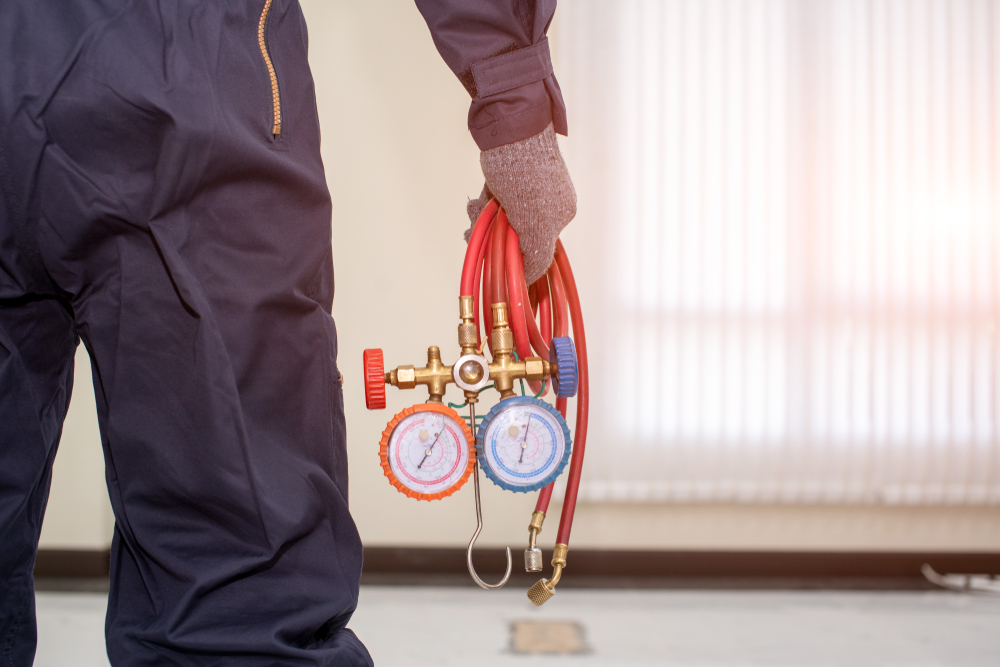
Managing the operating expenses of a commercial property is a challenge that every building manager and business owner faces. Among these expenses, heating costs can take a significant portion of the budget, particularly during colder months. Understanding how to reduce heating costs in commercial buildings while maintaining a comfortable indoor environment is essential for long-term sustainability and profitability. With thoughtful strategies focused on commercial heating efficiency, it is possible to lower energy consumption and reduce overhead without compromising tenant or employee comfort.
Evaluate Your Building’s Heating Performance
Before making any changes, it is crucial to understand how your current heating system operates and where inefficiencies lie. Many commercial buildings still rely on outdated systems that consume excessive energy. Conducting a thorough energy audit is the first step toward identifying where heat is being lost and which parts of the system may be underperforming. These audits typically examine insulation, ductwork, boilers or furnaces, thermostats, windows, and doors.
Air leaks, for instance, can significantly reduce the effectiveness of a heating system. Drafts around doors and windows, poorly sealed vents, and gaps in insulation are all areas where heat escapes, forcing the system to work harder. Upgrading insulation, repairing seals, and closing leaks will improve commercial heating efficiency almost immediately. Additionally, if the HVAC system is older than 15 years, replacing it with a newer, high-efficiency model could offer major long-term savings.
Smart thermostats and building automation systems also contribute by improving control over when and how heat is distributed throughout the facility. By programming schedules and adjusting temperatures based on occupancy, commercial buildings can avoid heating unused spaces unnecessarily.
Improve Insulation and Building Envelope Integrity
The integrity of a building’s envelope plays a key role in how well it retains heat. Walls, roofs, windows, and floors act as barriers to external temperatures. Inadequate insulation leads to high energy consumption and discomfort for occupants. To reduce heating costs in commercial buildings, reinforcing these barriers is an essential part of any cost-saving strategy.
Upgrading wall and roof insulation with modern materials can make a dramatic difference. Spray foam insulation, for example, expands to fill gaps and offers high resistance to heat flow. Double or triple-glazed windows are another effective upgrade that reduces heat loss while limiting condensation and outside noise.
Weatherstripping and caulking are low-cost improvements that help eliminate drafts around doors and windows. Even if major structural upgrades are not immediately feasible, addressing small leaks and gaps throughout the building can prevent a substantial amount of heat from escaping. Some property managers may also consider using window films or thermal curtains to boost energy efficiency further.
Optimize HVAC System Operation and Maintenance
Regular maintenance of HVAC systems is one of the most overlooked but cost-effective ways to reduce heating costs in commercial buildings. A poorly maintained system may run longer than necessary, struggle to reach the desired temperature, or distribute heat unevenly across different areas of the building.
Routine inspection and maintenance tasks include checking and replacing air filters, inspecting ductwork for blockages or leaks, and ensuring fans, pumps, and valves are functioning correctly. Even a simple act like replacing clogged filters can improve airflow and reduce strain on the system.
Technological upgrades can also boost commercial heating efficiency. Variable-speed motors, energy recovery ventilators, and advanced controls provide finer adjustments and better performance. In larger facilities, zoning systems divide the building into sections with independent temperature controls, ensuring heating is only used where it is needed.
Investing in a Building Management System (BMS) can centralize control over heating, ventilation, and air conditioning components. These systems collect data from sensors and meters to optimize heating schedules and detect inefficiencies in real time. Over time, this data-driven approach can lead to significant cost reductions and more consistent indoor comfort.
Implement Smart Usage Policies and Occupant Education
Even the most efficient systems will fall short if they are used improperly. Human behavior is often a contributing factor to high heating costs. Encouraging energy-conscious habits among building occupants can help maximize the effectiveness of technical upgrades.
Start by setting realistic indoor temperature guidelines. For example, setting the thermostat to a moderate temperature, such as 68 degrees Fahrenheit during work hours, and lowering it slightly after hours, can make a noticeable difference. If the building is equipped with programmable thermostats, ensure they are correctly set to reflect occupancy patterns.
In office buildings or shared spaces, communicate with employees or tenants about the importance of keeping windows closed during the heating season and reporting drafts or heating issues. When everyone is aware of their role in reducing energy use, it becomes easier to achieve consistent savings.
Businesses might also explore flexible work arrangements during colder months. If fewer employees are physically present in the office, heating requirements naturally decrease. Pairing remote work schedules with reduced heating in unoccupied areas is a practical way to align operational needs with energy efficiency goals.
Invest in Renewable and Alternative Heating Solutions
Exploring renewable heating options can be a forward-thinking way to reduce heating costs in commercial buildings over the long term. While the upfront costs may be higher, alternative heating systems often provide attractive returns through reduced energy bills and potential tax incentives.
Solar thermal systems, for instance, use solar collectors to heat water or air that can be used in the building’s heating system. Depending on the region and solar exposure, these systems can offset a significant portion of conventional heating demand.
Geothermal heat pumps are another energy-efficient solution that draws heat from the ground, which maintains a relatively constant temperature throughout the year. These systems are highly efficient and can offer both heating and cooling capabilities, making them ideal for commercial properties looking to improve long-term sustainability.
Biofuel heating systems, which use renewable plant-based fuels instead of fossil fuels, offer yet another route toward greater efficiency and environmental responsibility. While less common, they can be viable in certain contexts where fuel supply and storage logistics make sense.
Integrating these systems with conventional heating infrastructure or phasing them in gradually can ease the transition while still delivering noticeable savings. Additionally, many governments offer grants, rebates, or tax credits for implementing renewable energy systems, further improving the return on investment.
Conclusion
Reducing heating costs in commercial buildings is a multi-layered process that involves assessing system performance, improving insulation, maintaining and upgrading HVAC equipment, promoting energy-aware behavior, and considering alternative heating technologies. By focusing on commercial heating efficiency and adopting a strategic approach, building owners and managers can lower energy consumption, reduce expenses, and improve occupant comfort.
While no single solution fits every building, a combination of these strategies tailored to the specific characteristics of the property will provide the most effective results. From quick fixes like sealing leaks and adjusting thermostat settings to more substantial investments like geothermal systems or insulation upgrades, every action contributes to long-term energy savings. The path to lower heating costs begins with awareness and commitment to smarter building management.
Need a HVAC Contractor in Minneapolis, MN?
Locally owned and operated since 1991, Air Climate Control Inc specializes in commercial service and repair of air conditioning, heating, and refrigeration, serving Minneapolis and the surrounding areas with quality, prompt, and reliable work. Air Climate Control Inc strives to provide same-day service to ensure client comfort and satisfaction. We specialize in preventative maintenance plans as well as repair and can sub-contract for installation service. Our estimates are always FREE of charge. Call us TODAY for all of your commercial refrigeration, air conditioning, and heating needs!