
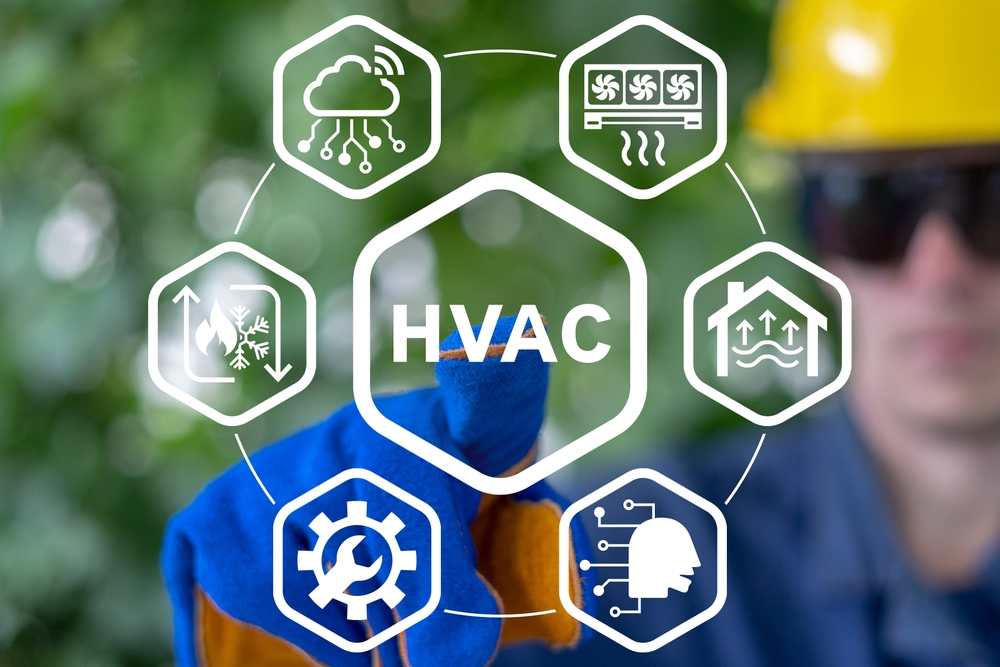
As energy consumption continues to climb and sustainability becomes a top priority across industries, businesses are turning to technology to manage resources more efficiently. Among the most significant innovations in this space is the rise of smart HVAC systems. These intelligent heating, ventilation, and air conditioning solutions are transforming how commercial properties regulate indoor climates, offering unprecedented control, automation, and insights through IoT-enabled devices. In the face of rising energy costs and tightening environmental regulations, smart HVAC systems are increasingly recognized as a cornerstone of effective commercial HVAC energy management.
The Evolution of HVAC Systems: From Mechanical to Smart
Traditional HVAC systems have long served as the backbone of climate control in both residential and commercial settings. However, these systems have historically been reactive rather than proactive, relying on manual settings and static schedules that fail to respond dynamically to changes in occupancy, weather, or energy rates. This inefficiency often results in excessive energy consumption and higher operational costs.
Smart HVAC systems mark a significant evolution in this domain. Leveraging the Internet of Things (IoT), these systems consist of connected sensors, actuators, and controllers that communicate in real-time. They collect and analyze data from various sources, including outdoor climate conditions, indoor occupancy, and energy usage patterns. This data-driven approach enables systems to self-adjust and optimize performance automatically, reducing energy waste and enhancing indoor comfort.
The leap from conventional to smart technology doesn’t just lie in automation but also in the level of precision and insight it delivers. By moving beyond static temperature control, smart HVAC solutions now play a central role in broader building management strategies focused on sustainability, occupant wellness, and operational efficiency.
How IoT Enhances HVAC Efficiency and Performance
At the heart of smart HVAC systems lies IoT integration. IoT devices facilitate seamless connectivity and data exchange between various components of the HVAC network. These devices include smart thermostats, occupancy sensors, airflow monitors, and energy meters, all working in tandem to provide a real-time overview of the system’s health and performance.
One of the most impactful benefits of IoT in HVAC technology is predictive maintenance. By continuously monitoring equipment conditions, IoT sensors can detect anomalies such as unusual vibrations, pressure drops, or temperature fluctuations, which may indicate impending failures. Maintenance teams receive alerts before breakdowns occur, allowing them to address issues proactively and avoid costly downtime.
Moreover, smart HVAC systems leverage machine learning algorithms to fine-tune operations based on historical data. For example, if a building tends to experience a spike in occupancy every Monday morning, the system can preemptively adjust airflow and temperature settings to maintain comfort without overburdening energy resources. This adaptability leads to a marked improvement in commercial HVAC energy management.
Another aspect where IoT shines is in integration with other smart building systems. For instance, lighting, window shading, and security systems can synchronize with HVAC operations to create a holistic energy management strategy. If motion sensors detect that a room is unoccupied, the HVAC system can reduce output for that area, minimizing energy waste without sacrificing comfort.
Applications and Benefits in Commercial Environments
Commercial properties are among the biggest beneficiaries of smart HVAC technology. Offices, retail spaces, hotels, hospitals, and educational institutions all require climate control solutions that can adapt to fluctuating demands while minimizing energy consumption. The complexity and size of these facilities make manual HVAC management impractical and often inefficient.
With smart HVAC systems, facility managers gain centralized control through cloud-based dashboards accessible from any location. These dashboards offer visualizations of temperature trends, equipment status, energy consumption, and indoor air quality, enabling informed decision-making and swift adjustments.
Commercial HVAC energy management sees substantial improvements when intelligent zoning is implemented. This approach allows for different areas of a building to be heated or cooled independently based on real-time occupancy and usage data. For instance, conference rooms and common areas can receive targeted climate control only when in use, while unoccupied zones remain in an energy-saving state.
The financial implications are equally significant. Businesses often experience a reduction in energy bills by 20% to 40% after adopting smart HVAC solutions. These savings come not only from more efficient energy use but also from extended equipment lifespan due to better maintenance practices and load management.
Additionally, smart HVAC technology contributes to improved indoor environmental quality. By monitoring factors such as humidity, CO2 levels, and particulate matter, systems can adjust ventilation rates accordingly. This capability is especially critical in environments where occupant health and productivity are closely tied to air quality, such as hospitals or schools.
Overcoming Implementation Challenges
Despite the numerous benefits, the transition to smart HVAC systems is not without its challenges. One of the main barriers is the upfront cost of hardware, software, and integration. For many organizations, the return on investment may not be immediately visible, making it difficult to justify the expenditure, especially for smaller businesses.
Interoperability is another concern. Many existing buildings operate on legacy systems that may not be compatible with modern IoT-enabled HVAC components. Upgrading these systems often requires a phased approach, which can be time-consuming and require specialized expertise.
Cybersecurity also emerges as a critical issue. As smart HVAC systems become part of a building’s digital infrastructure, they may expose vulnerabilities that could be exploited by malicious actors. Ensuring robust encryption, regular software updates, and secure authentication protocols is essential to safeguard data and maintain trust.
Nevertheless, these hurdles are being addressed by rapid advancements in technology, increasing availability of retrofitting solutions, and growing support from energy management service providers. Government incentives and green building certification programs are also encouraging adoption by offering tax breaks, rebates, and recognition for sustainability efforts.
The Future of Smart HVAC and Sustainable Energy Management
Looking ahead, the role of smart HVAC systems in shaping sustainable commercial spaces will only continue to grow. Innovations in AI, edge computing, and wireless communication will enable even more responsive and autonomous systems. These advancements will further reduce reliance on human intervention and empower buildings to become truly self-regulating environments.
The integration of renewable energy sources with HVAC operations is a promising development. For instance, smart systems can be programmed to prioritize solar energy when available, storing excess power in batteries or adjusting load patterns to coincide with peak generation periods. This integration enhances commercial HVAC energy management by aligning operations with broader sustainability goals.
Demand response is another future-forward capability gaining traction. In this model, HVAC systems respond to signals from utility providers to reduce or shift energy usage during peak demand periods. This not only contributes to grid stability but can also provide financial incentives to participating businesses.
Furthermore, the growing emphasis on ESG (Environmental, Social, and Governance) reporting has placed additional pressure on companies to demonstrate their commitment to sustainability. Smart HVAC solutions provide the metrics and documentation needed to track progress and validate energy-saving claims, making them indispensable tools in corporate sustainability strategies.
Conclusion
The advent of smart HVAC systems represents a transformative shift in how commercial buildings manage their energy consumption and indoor environments. By harnessing the power of IoT, these systems deliver intelligent, automated, and highly efficient climate control that aligns with both economic and environmental goals. From reducing operational costs and enhancing occupant comfort to supporting long-term sustainability, smart HVAC technology is redefining the standards of commercial HVAC energy management.
While challenges remain in adoption and integration, the long-term benefits far outweigh the initial hurdles. As technology continues to evolve and the demand for sustainable practices intensifies, smart HVAC systems will play a pivotal role in the future of building management. For businesses seeking to stay competitive and responsible in a resource-conscious world, embracing smart HVAC solutions is no longer optional; it’s essential.
Need a HVAC Contractor in Minneapolis, MN?
Locally owned and operated since 1991, Air Climate Control Inc specializes in commercial service and repair of air conditioning, heating, and refrigeration, serving Minneapolis and the surrounding areas with quality, prompt, and reliable work. Air Climate Control Inc strives to provide same-day service to ensure client comfort and satisfaction. We specialize in preventative maintenance plans as well as repair and can sub-contract for installation service. Our estimates are always FREE of charge. Call us TODAY for all of your commercial refrigeration, air conditioning, and heating needs!