
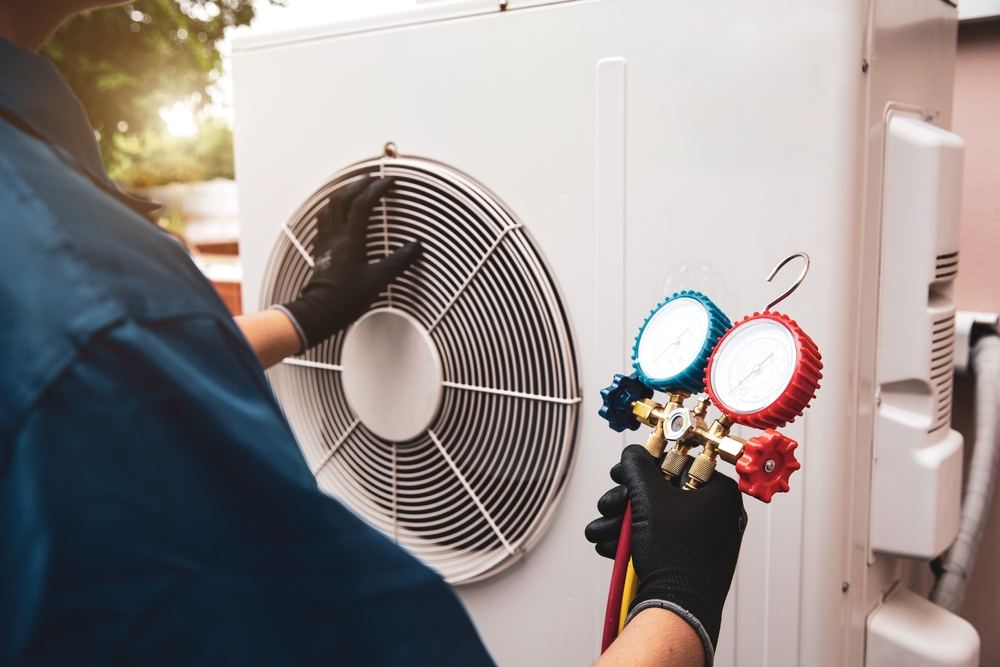
Commercial HVAC systems are essential for maintaining comfortable and productive indoor environments in business facilities. Whether it’s an office building, retail store, restaurant, or warehouse, a well-designed and properly installed HVAC system supports energy efficiency, employee comfort, and even customer satisfaction. However, installing such systems involves complex decision-making, and overlooking important factors can lead to increased operating costs, maintenance headaches, and inefficient performance. To help business owners and facility managers navigate this critical process, this blog explores the key considerations when installing a commercial HVAC system.
Understanding Your Building’s Specific Needs
Before selecting any HVAC system, it’s crucial to understand the specific heating, cooling, and ventilation needs of the building. The size and layout of the facility will heavily influence the type and capacity of HVAC equipment needed. A system that is too small will struggle to maintain comfortable temperatures, while an oversized unit may lead to energy waste, frequent cycling, and reduced lifespan.
Beyond square footage, the purpose of the building plays a role in determining HVAC needs. For example, restaurants require robust ventilation systems to manage odors and heat, while data centers need precision cooling to protect sensitive equipment. Occupant density, operating hours, and equipment heat loads should also be factored in. A professional load calculation can help determine the appropriate capacity and configuration, serving as one of the top HVAC installation tips for businesses looking to ensure long-term performance and efficiency.
Energy Efficiency and Long-Term Cost Savings
One of the most important factors to consider during HVAC installation is energy efficiency. Commercial HVAC systems consume a significant portion of a building’s total energy use, so investing in energy-efficient equipment can result in considerable savings over time. High-efficiency systems may come with a higher upfront cost, but they typically pay for themselves through reduced utility bills and operational costs.
Look for systems with high SEER (Seasonal Energy Efficiency Ratio) and EER (Energy Efficiency Ratio) ratings. Additionally, units certified by ENERGY STAR® meet strict efficiency standards and can qualify for utility rebates and incentives. Features such as programmable thermostats, zoning systems, and demand-controlled ventilation can further optimize energy usage based on real-time conditions.
When choosing a commercial HVAC system, it’s also essential to consider lifecycle costs, not just initial expenses. Maintenance requirements, component longevity, and expected service life all impact total cost of ownership. Opting for a slightly more expensive, energy-efficient model may prove more economical over a 10- to 20-year period than a cheaper, less efficient alternative.
Integration with Building Management Systems
Modern commercial buildings often use building automation systems (BAS) or building management systems (BMS) to streamline control of HVAC, lighting, and security systems. Integration with these platforms is another critical consideration when planning an HVAC installation. An HVAC system that communicates seamlessly with the broader management infrastructure enhances control, increases efficiency, and supports predictive maintenance through advanced monitoring.
Smart HVAC systems can use real-time data to adjust performance based on occupancy levels, outside weather conditions, and time of day. These intelligent systems help optimize comfort while minimizing energy waste. For example, advanced sensors can reduce HVAC output in unoccupied zones or during off-peak hours, contributing to energy conservation.
When choosing a commercial HVAC system, make sure it supports open protocols like BACnet or Modbus for easier integration. Compatibility with your existing systems or planned upgrades ensures smoother implementation and greater return on investment.
Environmental Impact and Regulatory Compliance
In today’s environmentally conscious market, the ecological footprint of commercial HVAC systems is more important than ever. Businesses are increasingly expected to comply with environmental regulations and demonstrate sustainability in their operations. Selecting a system with eco-friendly refrigerants and lower greenhouse gas emissions can help meet these expectations and reduce the organization’s carbon footprint.
Many regions have specific energy codes and environmental standards that govern commercial HVAC installation. These regulations may dictate allowable refrigerants, minimum energy efficiency standards, and ventilation requirements. Non-compliance can result in fines, delays, or the need for costly retrofits. It’s essential to work with experienced HVAC contractors who are familiar with local codes and can guide you through the permitting and inspection processes.
Sustainability initiatives, such as pursuing LEED certification, may also influence HVAC system choices. Energy recovery ventilators, high-efficiency filters, and variable refrigerant flow (VRF) systems can all contribute to greener operations. Considering environmental impact during the planning stage ensures regulatory compliance and supports corporate social responsibility goals.
Choosing the Right HVAC Contractor
Selecting a reputable and experienced HVAC contractor is one of the most important HVAC installation tips for businesses. The performance and reliability of your commercial HVAC system depend not only on the equipment itself but also on the quality of the installation. An improperly installed system can suffer from poor airflow, refrigerant leaks, and premature wear, all of which lead to reduced efficiency and higher maintenance costs.
When choosing a contractor, look for companies with a solid track record in commercial projects, relevant certifications, and positive references. Verify that they are licensed and insured, and ensure they perform comprehensive load calculations and system design tailored to your facility. Avoid contractors who rely on guesswork or propose one-size-fits-all solutions.
Additionally, ask about ongoing service agreements and maintenance plans. A contractor who offers post-installation support can help keep your system running optimally through regular tune-ups, filter replacements, and system inspections. Establishing a long-term relationship with a trusted HVAC professional ensures you have expert support when issues arise and helps extend the life of your investment.
Conclusion
Installing a commercial HVAC system is a significant investment that impacts every aspect of a building’s operation, from comfort and efficiency to regulatory compliance and environmental performance. Understanding your facility’s unique requirements, prioritizing energy efficiency, ensuring compatibility with building systems, adhering to environmental standards, and selecting a qualified contractor are all essential steps to a successful installation.
By following these key considerations and applying expert HVAC installation tips for businesses, decision-makers can avoid common pitfalls and ensure their system delivers optimal performance for years to come. Whether you’re upgrading an outdated unit or designing a system for new construction, choosing a commercial HVAC system with care and foresight will pay dividends in comfort, cost savings, and operational reliability.
Need a HVAC Contractor in Minneapolis, MN?
Locally owned and operated since 1991, Air Climate Control Inc specializes in commercial service and repair of air conditioning, heating, and refrigeration, serving Minneapolis and the surrounding areas with quality, prompt, and reliable work. Air Climate Control Inc strives to provide same-day service to ensure client comfort and satisfaction. We specialize in preventative maintenance plans as well as repair and can sub-contract for installation service. Our estimates are always FREE of charge. Call us TODAY for all of your commercial refrigeration, air conditioning, and heating needs!